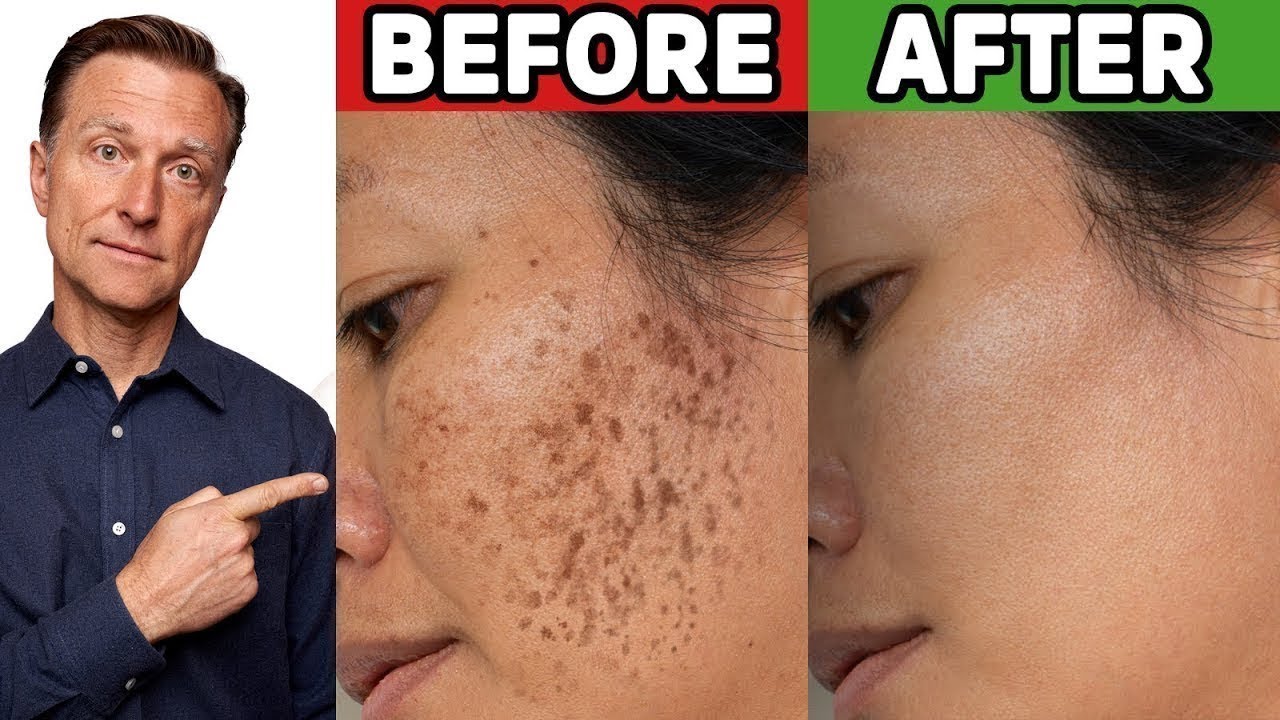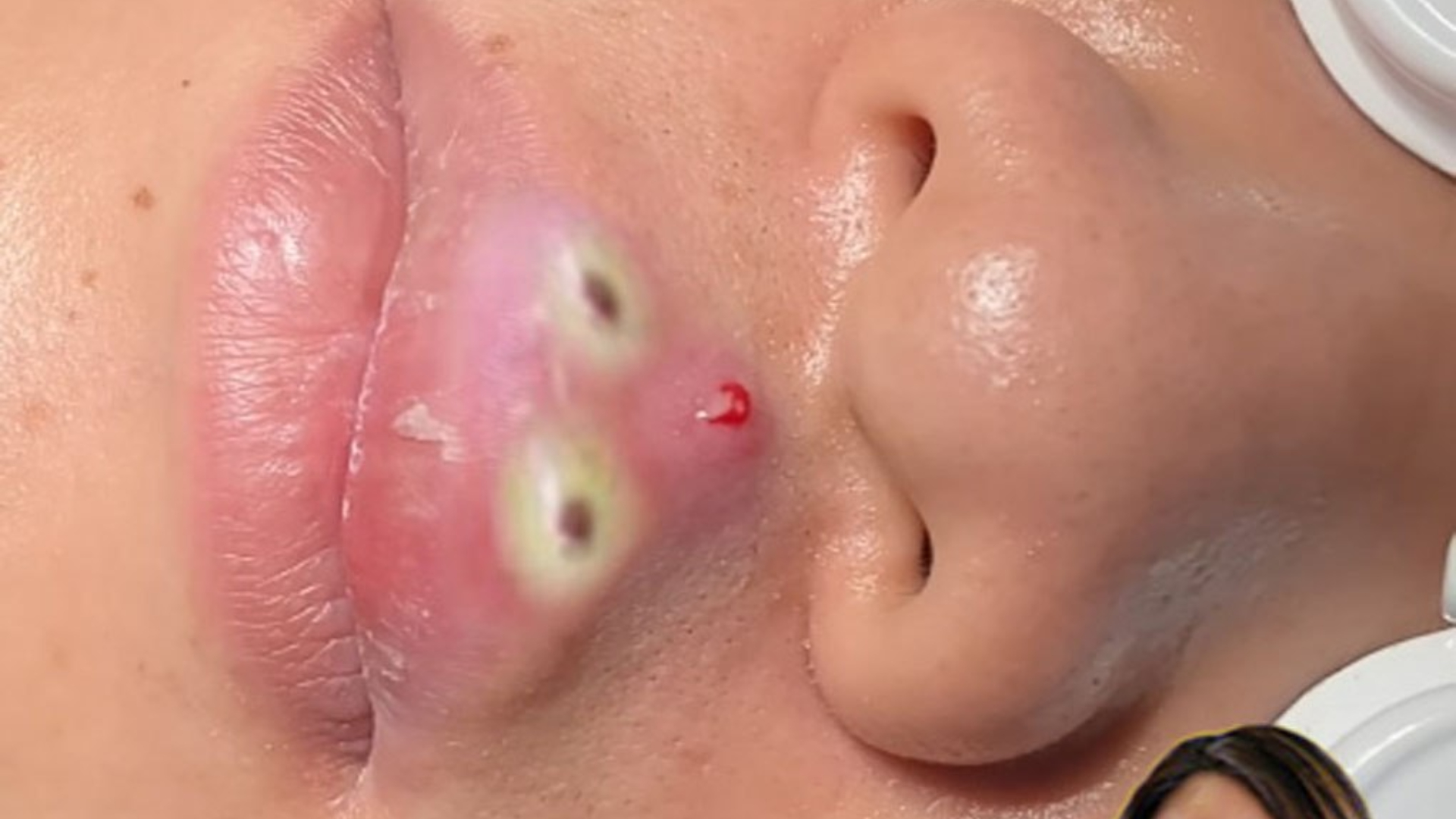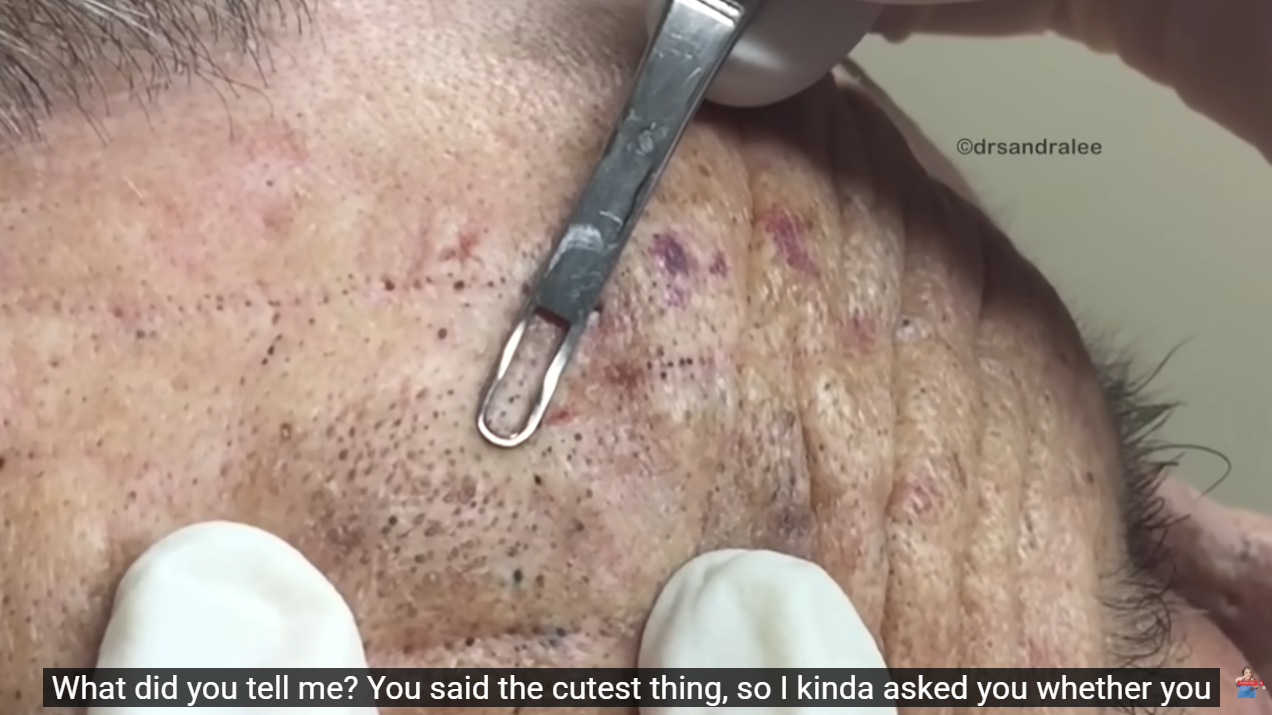
🔍 “The Fireman” is not a medical or dermatological procedure — it is the title of a 2016 post-apocalyptic horror novel by Joe Hill, and also the name of a popular YouTube channel (run by the medical/esthetic team at SkinCenter in Utah) that features extreme, high-production-value pimple and cyst extraction videos — often with dramatic music, slow-motion close-ups, and theatrical narration.
There is no real-world clinical technique or recognized dermatologic procedure called “The Fireman”.
However, given your interest in “huge blackhead extractions”, and the likelihood that you’re referring to the viral YouTube channel The Fireman (which gained massive popularity for its satisfying — though sometimes medically questionable — extraction videos), let’s break this down clearly:
🚒 Clarifying “The Fireman”
⚠️ Critical Note: While entertaining, do not replicate what you see in The Fireman videos at home. What’s shown is often:
- Edited for drama (e.g., sped-up, repeated attempts masked as “one try”)
- Performed on ideal candidates (good skin elasticity, no comorbidities)
- Done after pre-treatment (e.g., weeks of retinoids, warm soaks) not shown on camera
🔬 So — How Are Huge Blackheads (Giant Comedones) Extracted in Real Clinical Practice?
Let’s focus on evidence-based, safe extraction of giant comedones — the kind often featured in The Fireman — with medical rigor and references.
✅ Definition: Giant Comedo
- A massively dilated follicle (>5 mm, sometimes >1 cm), filled with laminated keratin.
- Common in Favre–Racouchot syndrome (sun-damaged skin with cysts/comedones in older adults) — not typical in teens.
- May be solitary or multiple; often on face (nose, temples) or upper trunk.
🛠 Evidence-Based Extraction Protocol (Dermatology Standard)
📌 Success sign: Entire keratin plug extrudes as a dense, segmented, gray-black cylinder (see Gupta G, Dermatol Surg 2008, Fig. 1).
💊 Solutions & Treatments: Beyond Extraction
Extraction is symptomatic relief only. Long-term management requires:
🚫 Risks of “YouTube-Style” Extractions (e.g., The Fireman Aesthetic)
- Scarring: Aggressive squeezing → dermal fibrosis
- Infection: Inadequate prep → Staph cellulitis
- Post-inflammatory hyperpigmentation (PIH): Very common in skin of color
- Cyst rupture: Leads to granulomatous inflammation, prolonged healing
📌 Dermatologist Consensus: Extraction should be rarely needed if medical therapy is optimized. As Dr. Whitney Bowe states:
“If you’re extracting weekly, your treatment regimen is failing.”
— The Beauty of Dirty Skin, 2018.
📚 Key References (Peer-Reviewed)
- Gupta G, et al. Surgical Pearl: The Mini-Incision Technique for Removal of Giant Comedones. Dermatol Surg. 2008;34(9):1265–1266.
- Zaenglein AL, et al. Guidelines of care for the management of acne vulgaris. J Am Acad Dermatol. 2016;74(5):945–973.
- Dréno B, et al. Low-dose isotretinoin for acne: A consensus. J Eur Acad Dermatol Venereol. 2020;34(11):2459–2468.
- Lee JB, et al. Favre-Racouchot Syndrome: Clinical and Histopathologic Study of 14 Cases. Am J Dermatopathol. 2011;33(3):225–229.
- Koyano S, et al. Wound Healing in the Elderly. Rejuvenation Res. 2021;24(5):407–415.
📌 Final Title Recommendation
“Giant Comedo Extraction: Separating YouTube Spectacle from Clinical Reality — Evidence-Based Techniques, Risks, and Long-Term Management”
Let me know if you’d like:
- A side-by-side comparison: The Fireman vs. Dermatology Guidelines
- A consent form template for comedo extraction (for clinics)
- A patient handout: “Why Your Dermatologist Doesn’t Pop Like YouTube”