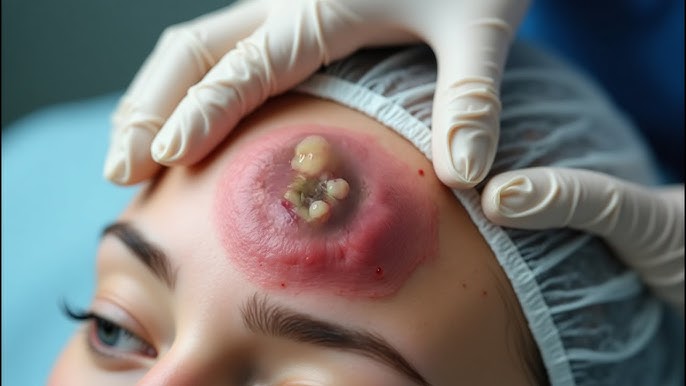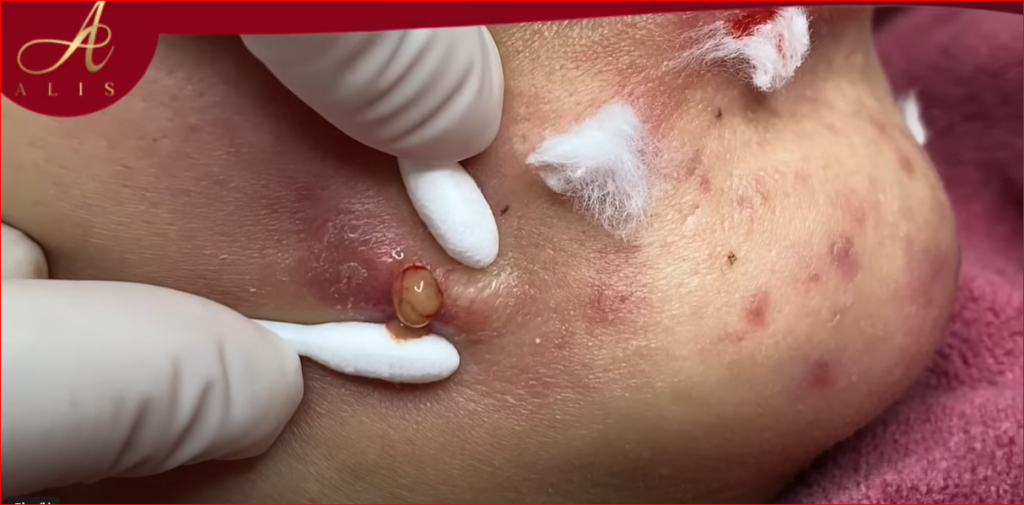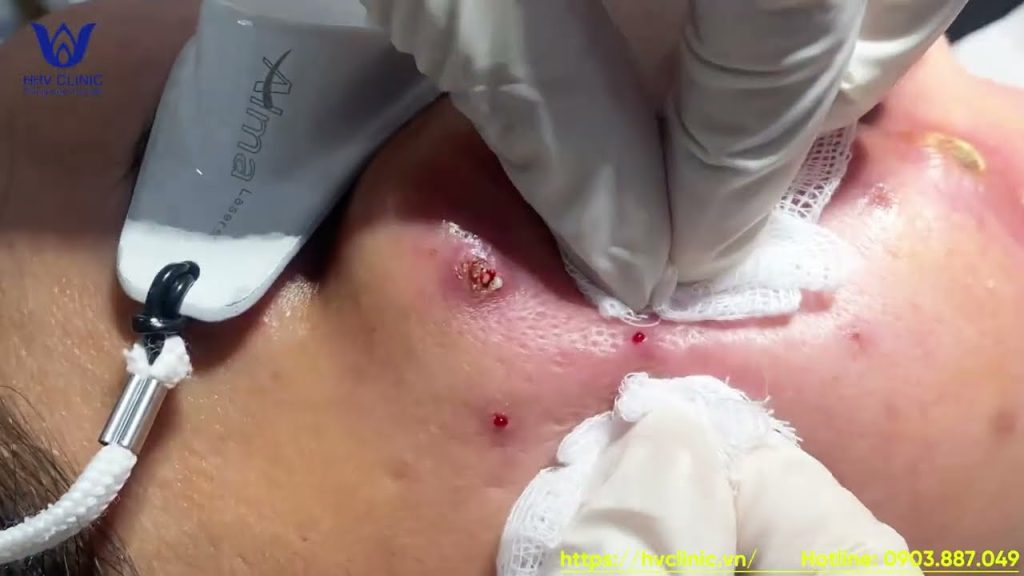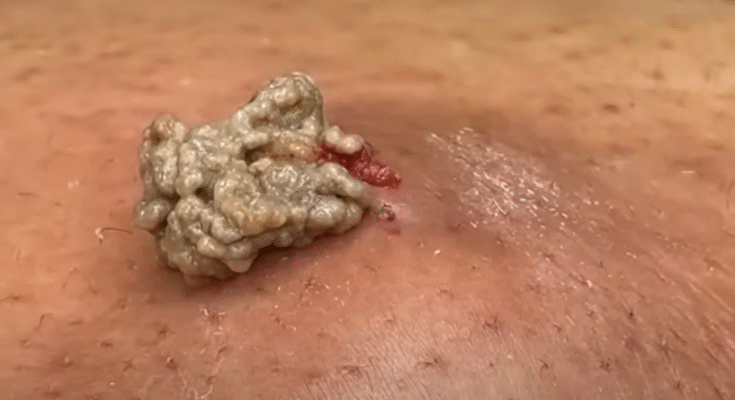
Big cyst removal (like sebaceous, epidermoid, or pilar cysts) should be done carefully to avoid infection, recurrence, or scarring. Here’s a detailed breakdown of how large cysts are removed, including home care, medical procedures, and when to seek help.
 What Not to Do at Home
-
 Don’t squeeze or pop a large cyst — it can rupture internally, causing inflammation or infection.
 -
Don’t cut it yourself — this increases risk of scarring and serious infection.
 Medical Removal of a Large Cyst (Office-Based Surgery)
1. Evaluation
-
The doctor assesses the cyst’s size, depth, location, and whether it’s infected.
-
If infected, they may delay surgery and start antibiotics first.
2. Minor Surgical Procedure (Most Common Approach)
Step-by-Step:
-
Local Anesthesia
-
Lidocaine is injected around the cyst to numb the area.
-
-
Incision
-
A small cut is made over the cyst.
-
-
Drainage (if necessary)
-
If the cyst is inflamed or filled with pus, the contents may be drained first.
-
-
Cyst Wall (Sac) Removal
-
The doctor carefully dissects and removes the entire cyst capsule (sac). This is crucial to prevent recurrence.
-
-
Closure
-
The incision may be closed with dissolvable or external stitches.
-
If infected, it may be left open to drain, packed with gauze, and closed later.
-
-
Bandage + Aftercare Instructions
-
Keep it clean, dry, and avoid strenuous activity for several days.
-
Reference:
3. Types of Cysts Commonly Removed
| Type | Common Location | Characteristics |
|---|---|---|
| Epidermoid | Face, neck, trunk | Firm, slow-growing, often has a central pore |
| Sebaceous | Scalp, back, face | Oily content, from blocked sebaceous gland |
| Pilar (Trichilemmal) | Scalp | Often multiple, from hair follicles |
 When to See a Doctor
-
Cyst is large, painful, or growing rapidly
-
Infected (red, warm, pus, foul odor)
-
Recurs after past removal
-
Located on face, genitals, or joints
 Aftercare Tips
-
Clean with saline or gentle soap
-
Apply antibiotic ointment if advised
-
Avoid picking or touching the wound
-
Return for stitch removal (if non-absorbable)
 Special Cases: Cyst Bursting or Abscess
-
If the cyst bursts, it often becomes inflamed or infected.
-
Doctors may perform an I&D (incision and drainage) and remove the sac later after inflammation subsides.
Would you like a visual diagram of the procedure or a list of clinics near you that perform cyst removals?


Certainly! Here’s a detailed overview of medical procedures for removing large cysts, particularly epidermoid cysts, based on current medical practices and guidelines.
Medical Procedures for Large Cyst Removal
1. Minimal Excision Technique
-
Overview: This technique involves making a small 2–3 mm incision over the cyst, expressing the cyst contents, and then extracting the cyst wall through the opening. It’s effective for non-inflamed, uncomplicated cysts and minimizes scarring.
-
Procedure:
-
Clean the area with antiseptic.
-
Administer local anesthesia (e.g., lidocaine).
-
Make a small incision over the cyst.
-
Express the cyst contents.
-
Remove the cyst wall.
-
Apply antibiotic ointment and cover with a sterile dressing.
-
-
Advantages:
-
Minimal scarring.
-
Quick recovery.
-
Suitable for non-inflamed cysts.
-
-
Considerations:
-
Not suitable for inflamed or infected cysts.
-
Requires precision to ensure complete removal and prevent recurrence.
-
2. Incision and Drainage (I&D)
-
Overview: This is a quick procedure where a small incision is made to drain the cyst contents. It’s often used for infected cysts to relieve symptoms but may not prevent recurrence.
-
Procedure:
-
Clean the area with antiseptic.
-
Administer local anesthesia.
-
Make a small incision to drain the cyst.
-
Apply antibiotic ointment and cover with a sterile dressing.
-
-
Advantages:
-
Quick relief of symptoms.
-
Minimal scarring.
-
-
Considerations:
-
Higher risk of recurrence.
-
May not be suitable for large or deep cysts.
-
3. Marsupialization
-
Overview: This technique involves creating a continuous opening between the cyst and the skin surface, allowing it to drain freely. It’s used for cysts that are difficult to remove entirely or when complete excision isn’t feasible.
-
Procedure:
-
Clean the area with antiseptic.
-
Administer local anesthesia.
-
Make an incision to open the cyst.
-
Suture the edges of the cyst to the skin to form a continuous opening.
-
Apply antibiotic ointment and cover with a sterile dressing.
-
-
Advantages:
-
Useful for cysts that are difficult to remove entirely.
-
Prevents recurrence by allowing continuous drainage.
-
-
Considerations:
-
May require longer healing time.
-
Not suitable for all types of cysts.
-
Aftercare and Recovery
-
Wound Care:
-
Keep the area clean and dry.
-
Apply antibiotic ointment as prescribed.
-
Cover with a sterile dressing and change it regularly.
-
-
Activity Restrictions:
-
Avoid strenuous activities that could stress the wound.
-
Follow your healthcare provider’s advice on when to resume normal activities.
-
-
Follow-Up:
-
Attend follow-up appointments to monitor healing.
-
Contact your healthcare provider if you notice signs of infection (e.g., increased redness, swelling, or pus).
-