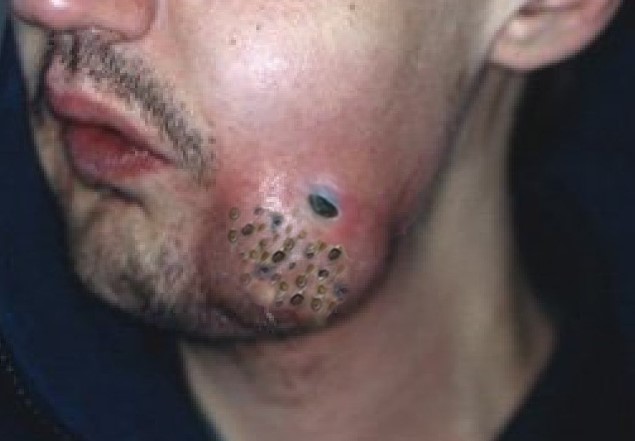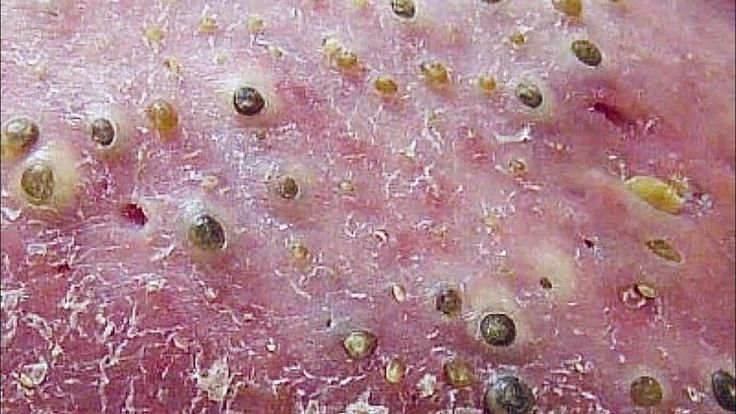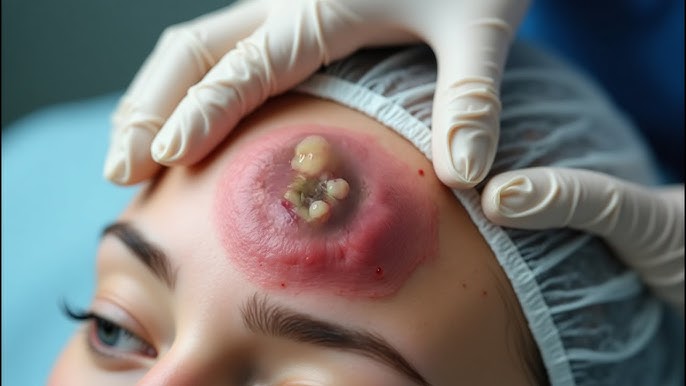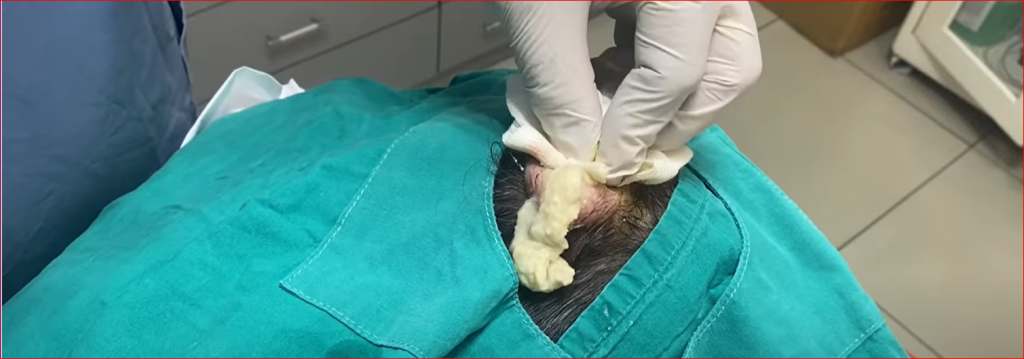
A sebaceous cyst is a noncancerous, usually slow-growing lump beneath the skin caused by blocked sebaceous (oil) glands. They’re filled with a thick, oily substance called sebum and often occur on the scalp, face, back, or neck.
✅ Treatment Options for Sebaceous Cysts
🔹 1. Leave It Alone (if not bothering you)
-
If it’s small, painless, and not infected, no treatment may be necessary.
-
Watch for changes in size, redness, or pain.
🔹 2. Warm Compresses
-
Applying a warm, moist cloth can help drain small cysts naturally over time.
-
Do this for 15–20 minutes, 3–4 times a day.
🔹 3. Do NOT Squeeze or Pop It
-
This can lead to infection, rupture, or scarring.
-
Unlike pimples, sebaceous cysts are under the skin and not meant to be popped.
🔹 4. Medical Drainage
-
A doctor can use a sterile procedure to drain the cyst.
-
This is a temporary fix—the sac remains, so the cyst may return.
🔹 5. Surgical Removal (Definitive Treatment)
-
A minor surgical procedure done under local anesthesia to remove the entire cyst wall and sac.
-
Prevents recurrence and minimizes infection risk.
-
Recommended if:
-
The cyst is painful, growing, infected, or frequently recurs.
-
🔹 6. Antibiotics (if infected)
-
Signs of infection include redness, swelling, warmth, and pain.
-
Oral antibiotics may be needed if there’s an abscess or spreading redness
🚨 When to See a Doctor
-
Rapid growth
-
Signs of infection (pain, redness, pus)
-
Located in a sensitive or visible area
-
Recurring cysts
🧴 What Is a Sebaceous Cyst?
A sebaceous cyst, also known as an epidermoid cyst, is a noncancerous, slow-growing lump beneath the skin. It typically forms when a hair follicle or skin pore becomes clogged with keratin, a protein found in skin cells. These cysts are often filled with a thick, oily substance and can appear anywhere on the body, especially on the scalp, face, ears, neck, or trunk. Mayo ClinicJohns Hopkins Medicine
🩺 Treatment Options for Sebaceous Cysts
1. Observation and Home Care
-
When to Observe: If the cyst is small, painless, and not causing any symptoms, it may not require immediate treatment.
-
Home Care Measures:
-
Warm Compress: Applying a warm, moist cloth to the cyst can help reduce swelling and promote drainage.
-
Avoid Squeezing: Do not attempt to pop or squeeze the cyst, as this can lead to infection or scarring. Mayo Clinic
-
2. Medical Interventions
-
Steroid Injections: Injecting a corticosteroid into the cyst can reduce inflammation and swelling. This may be effective for inflamed cysts. Mayo ClinicJohns Hopkins Medicine
-
Incision and Drainage: A healthcare provider makes a small incision in the cyst and removes the contents. While this can relieve symptoms, it doesn’t remove the cyst wall, so the cyst may recur. Johns Hopkins Medicine+1Mayo Clinic+1Mayo Clinic
-
Surgical Excision: The entire cyst, including its wall, is surgically removed. This is the most effective method to prevent recurrence. The procedure is typically performed under local anesthesia. Mayo Clinic
3. Antibiotics (If Infected)
-
When Needed: If the cyst becomes red, swollen, or painful, it may be infected.
-
Treatment: A healthcare provider may prescribe oral antibiotics to treat the infection. In some cases, drainage of the cyst may also be necessary. Mount Sinai Health System
⚠️ When to Seek Medical Attention
Consult a healthcare provider if you notice:
-
Rapid growth of the cyst
-
Pain, redness, or warmth around the cyst
-
Pus or other drainage from the cyst
-
A history of multiple cystsCleveland Clinic
🧠 Prevention Tips
-
Avoid Skin Trauma: Minimize injuries to the skin, as they can lead to cyst formation.
-
Maintain Skin Hygiene: Regular cleansing can help prevent clogged pores.
-
Use Non-Comedogenic Products: Opt for skincare products that do not clog